 museum
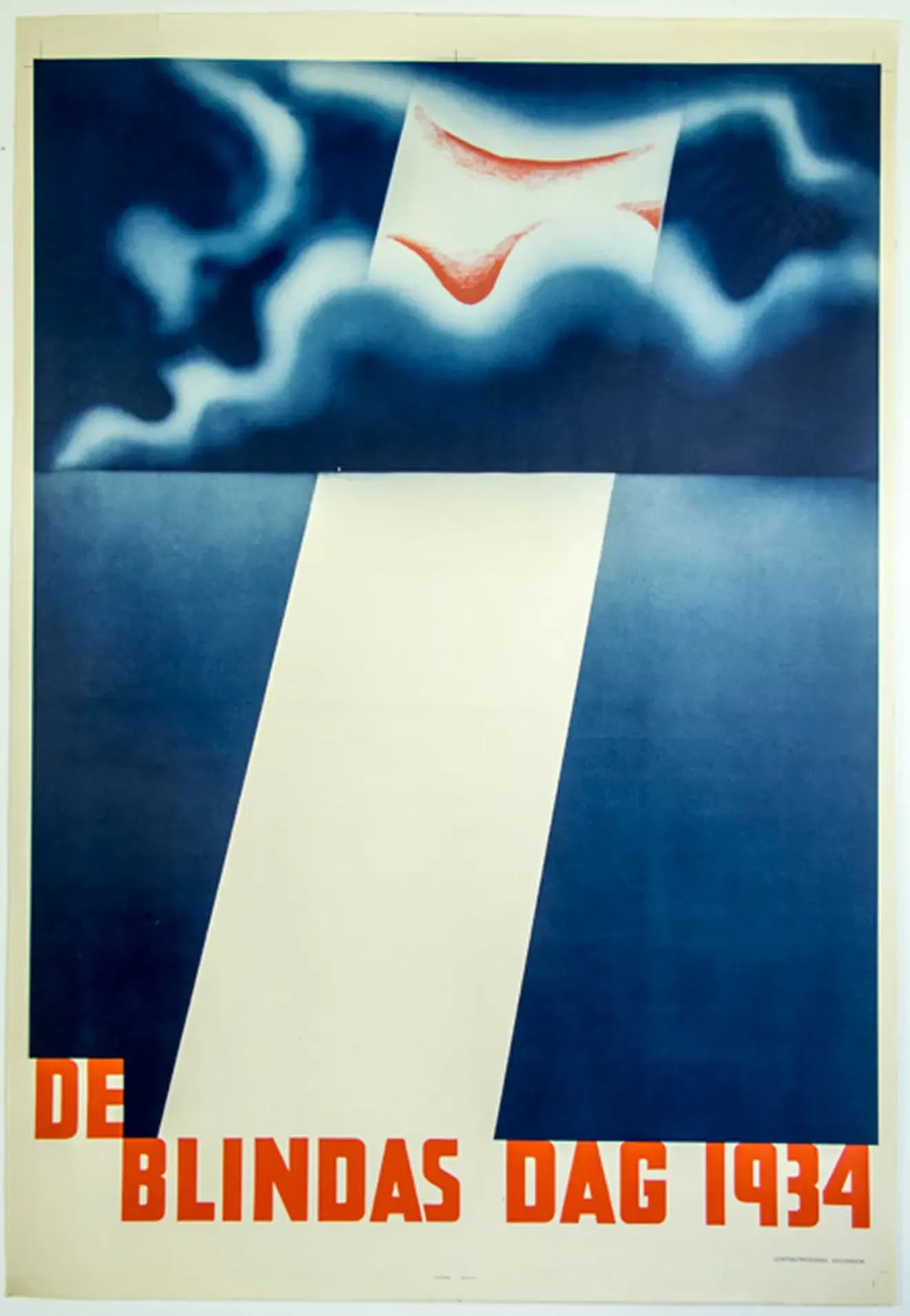
Litografiska museet
Litografiska museet uses Museum.link for its digital archive of more than 2,000 prints from the history of graphic art.
Our cases show how Museum.link is used in practice by digital museums, in digital exhibitions, in EU projects and in collecting projects. Here you will find examples of how a flexible archive database for museums and projects can support digital preservation and long-term documentation. Whether the focus is on cultural heritage, the present day or community stories, the cases give a concrete picture of how content can be collected, structured and preserved digitally over time.
museumLitografiska museet uses Museum.link for its digital archive of more than 2,000 prints from the history of graphic art.
 collecting project
Samtidsbild is Stockholm County Museum's digital platform for documenting the present through residents' own pictures and reflections.
 exhibition
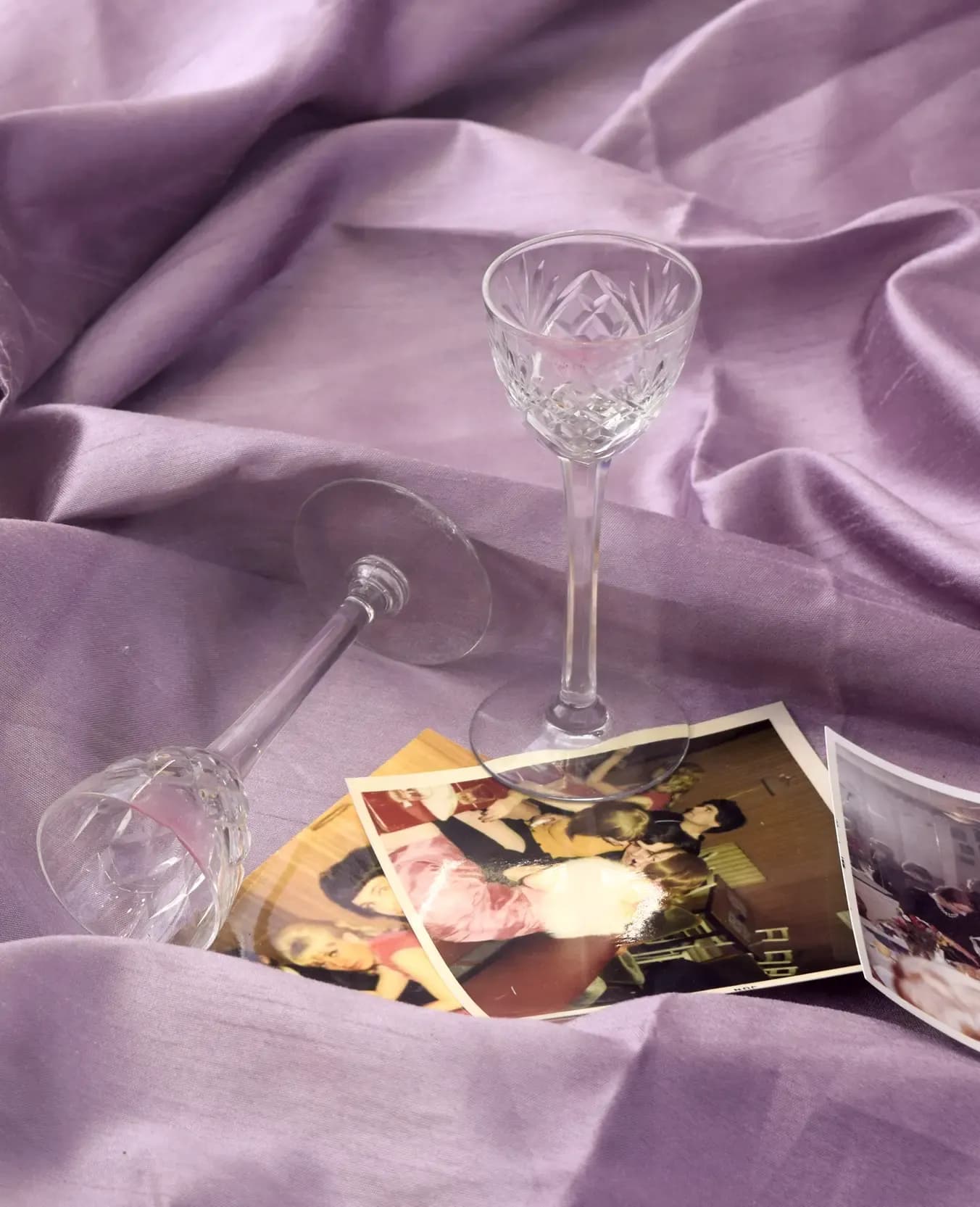
Unstraight Memories was an exhibition project at Sergels torg that highlighted Stockholm's queer history through stories and objects from The Unstraight Museum's digital archive.
 EU project
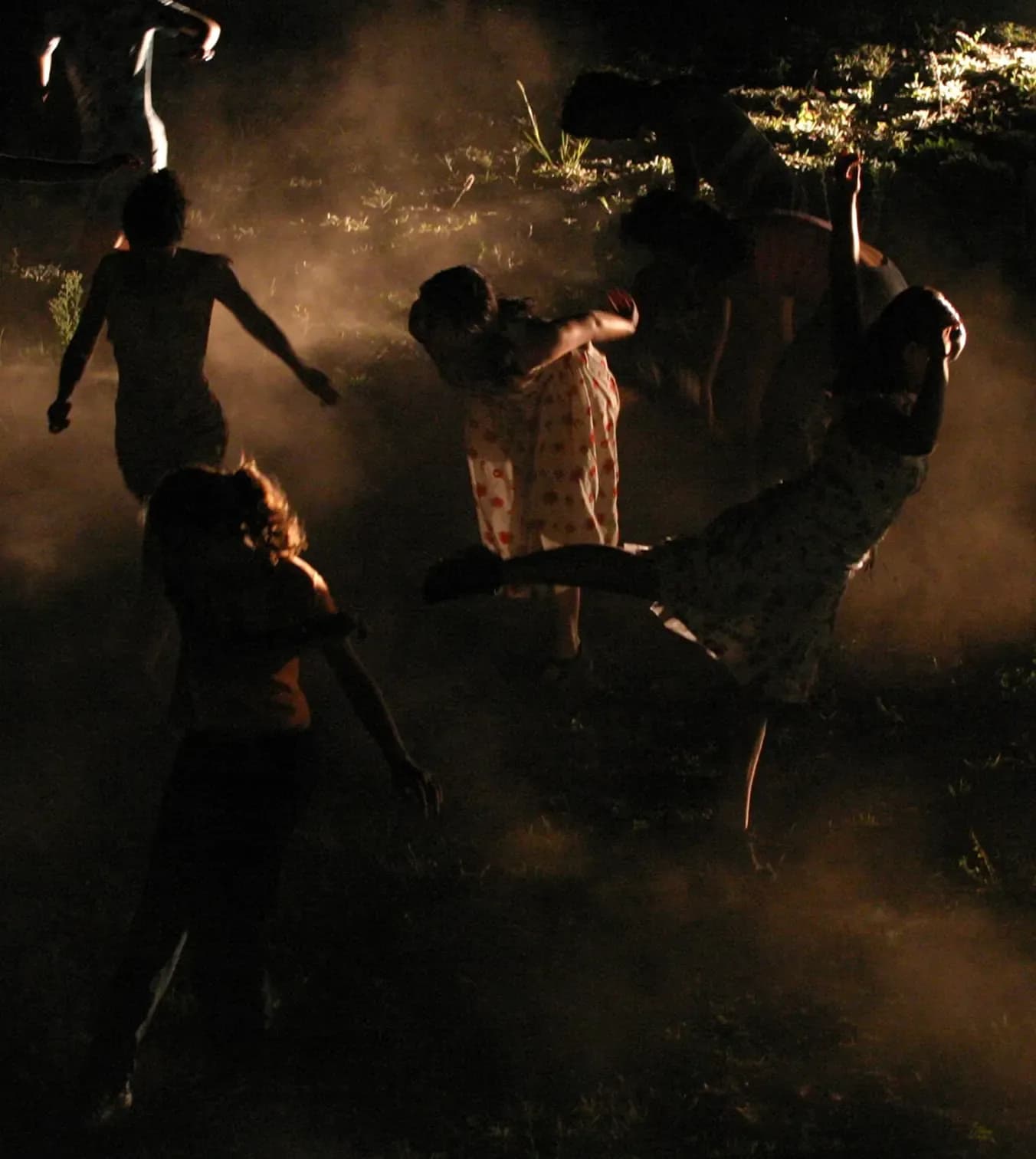
iCoDaCo is a European research and documentation project in dance that collects pictures, documents, sound recordings and films from around the world.
 museum
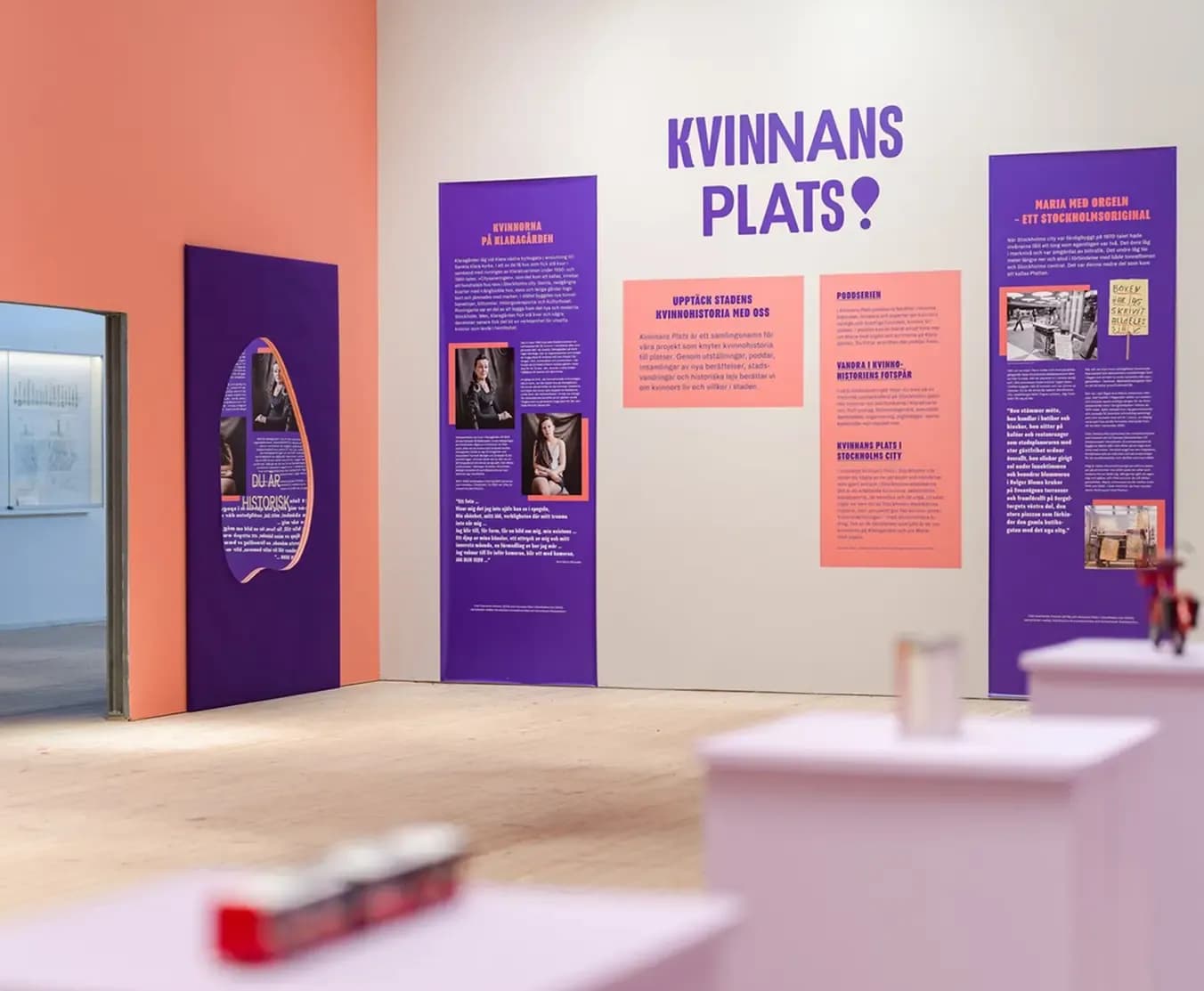
Kvinnohistoriska is an innovative museum that documents, preserves and showcases women's lives and experiences – both today and throughout history.
 coming soon
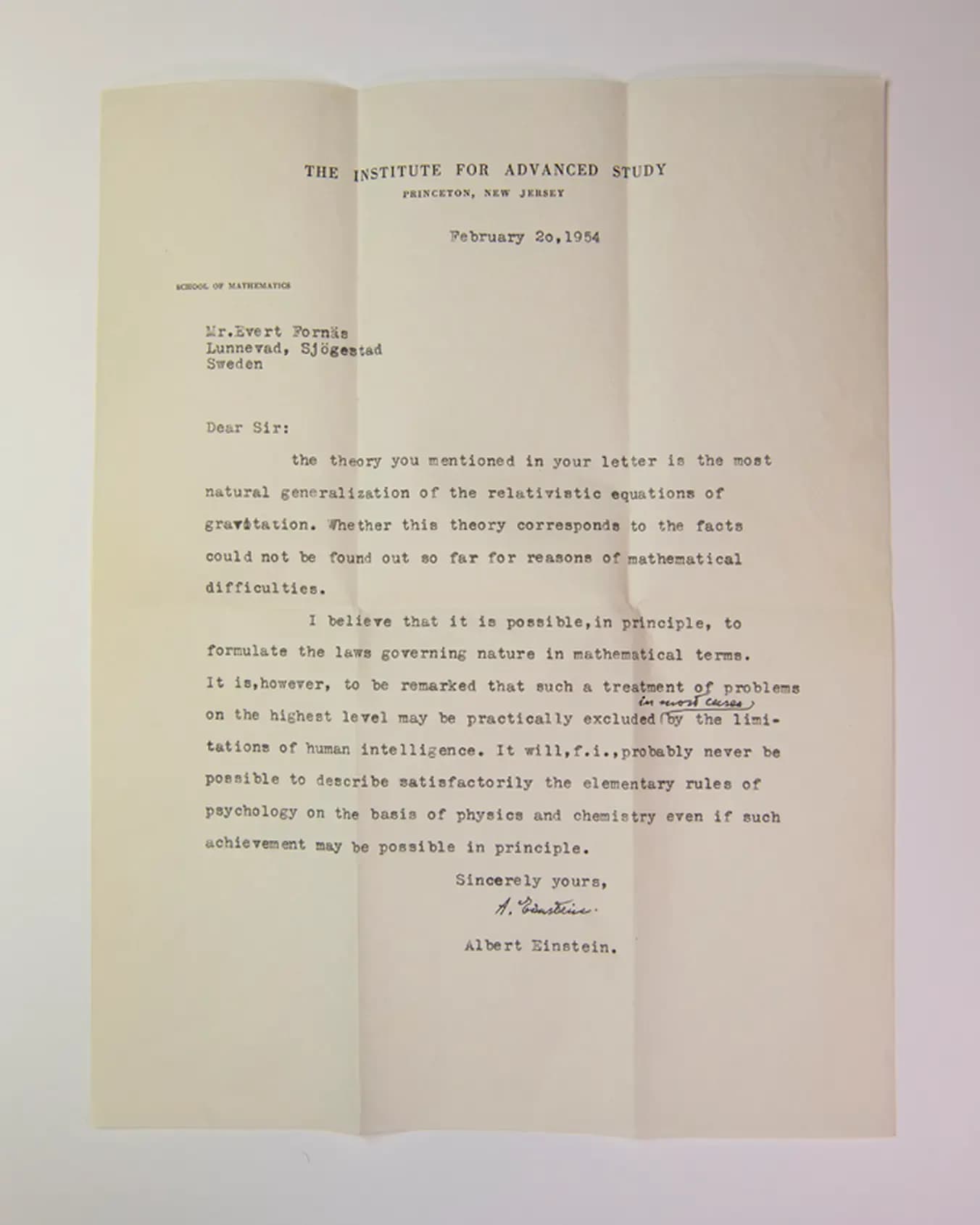
The Nobel Prize Museum manages and shares the cultural and scientific heritage of the Nobel Prize, and uses Museum.link to preserve objects donated by laureates.
 coming soon
The Unstraight Museum collects and showcases LGBTQ stories from all over the world. Over 15 years they have created countless exhibitions and projects from their ever-growing archive.
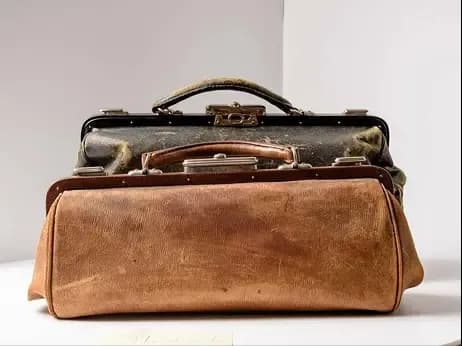


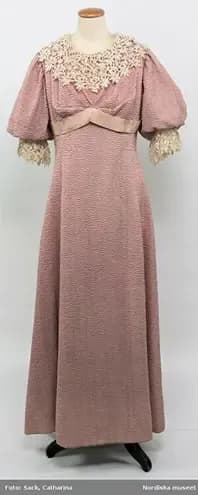
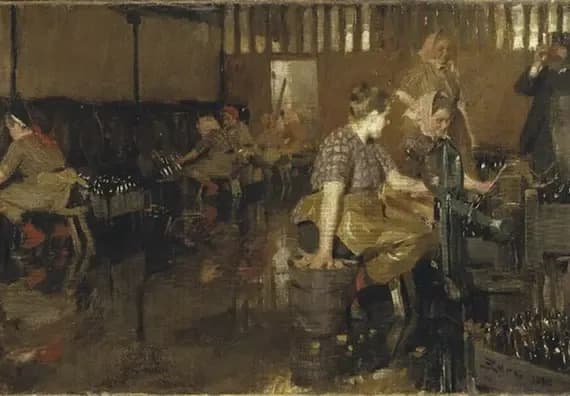
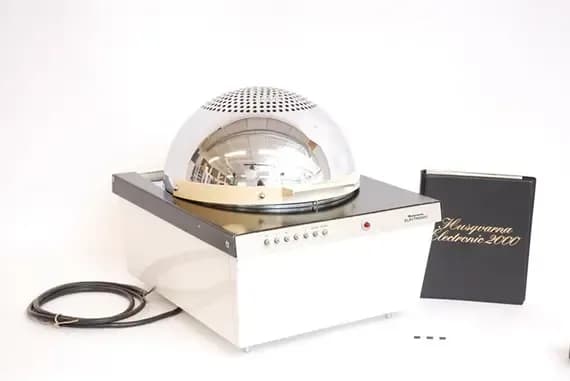
The cases show how Museum.link works as an archive database for museums, projects and exhibitions. The platform supports digital work with cultural heritage, the present day and research, while organisations can adapt the system to different kinds of activities, needs and ways of working.
The cases show use in, among other things:
Museum.link is used by digital museums, digital exhibitions and others working hands-on with digital preservation. Organisations also use the solution to collect, structure and preserve material over the long term in a shared archive database, suited to both institutional and project-based settings. Organisations use the solution to create digital collections that can be used in research, public programmes and digital exhibitions.
Areas of use:
One example is how Museum.link developed Kvinnohistoriska museet's digital exhibition.
Museum.link also works well as an archive for projects, such as EU projects and different kinds of collecting projects where organisations gather material over a limited period or around specific themes. The platform is therefore well suited to heritage and documentation projects where order, traceability and a long-term perspective are important.
Examples of projects:
We also work on international projects in fields such as cultural heritage and research.
When project funding or EU projects come with requirements for documentation, structure and results, organisations use Museum.link as a technical tool to manage collected material in one coherent way. Organisations can also preserve, reuse and give access to the project's content after the project period has ended.
Support for projects that require:
Museum.link can also be used in citizen science projects, where the public contributes pictures, stories and documentation from their own lives and surroundings. Through structured collecting, organisations turn everyday experiences into part of a shared body of knowledge about the present.
Contributions can be archived with context, metadata and a long-term perspective. This makes the material useful not only in the moment, but also for future research, analysis and cultural history. Instead of disappearing in passing feeds, an archive is created where many voices are documented together through digital preservation.
Project types:
One example is Stockholm County Museum's collecting project Samtidsbild, where residents contribute old and new pictures of Stockholm.
When organisations plan a project with digital collecting or digital collections, questions often come up about technology, structure and long-term preservation.
Many wonder, for example:
We have gathered answers to the most common questions about digital archives, collecting and collection databases in our FAQ.