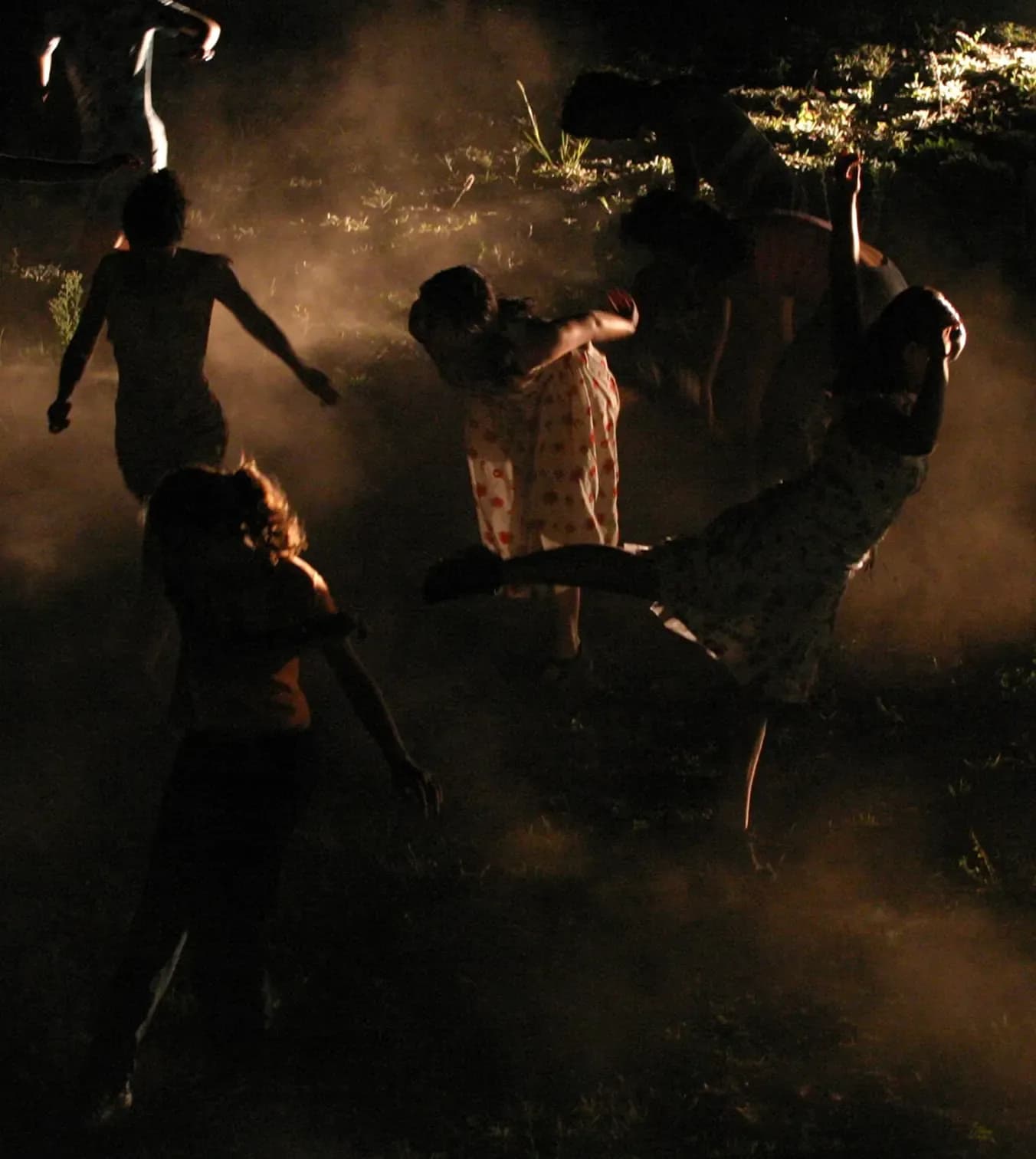
 EU project
iCoDaCo
iCoDaCo is a European research and documentation project in dance that collects pictures, documents, sound recordings and films from around the world.
With Museum.link you can store data correctly and securely in a stable archive database. You can also collect and publish your material in an app and on the web, for collaborative projects, digital exhibitions or other contexts.
This makes Museum.link a flexible product for museums, projects and research groups that want to work actively with collecting cultural heritage.
digitise existing collections and save them for the future
With Museum.link you can create a digital archive system where you build up an archive database and collections yourself, or collect material through structured processes. The archive system gives you control over how content is organised, preserved and used over time. Archives and collections can also easily be synchronised with established national and international systems such as K-samsök, Kringla and Europeana.
Museum.link is a scalable digital platform built on standardised models such as Dublin Core and Omeka S, to ensure correct storage for the future and make it easier to connect to other systems and be found in searches. The system offers redundant backups and uses data centres with a high level of security. All data is stored on our own servers in Sweden and complies with the GDPR for projects, collecting and museums.
The system makes it easy to publish and present collected material on the web or in an app. You can choose to publish whole archives or curated collections. Categories and smart search make the material easy to navigate and accessible.
When you choose Museum.link, training sessions are always included so that you and your team can comfortably learn the system. We are also always available to support you, both while building the archive and in the long run.
Use Museum.link's established, modular system to quickly build an app for your archive. The app works for both collecting and publishing, and is adapted to your brand.
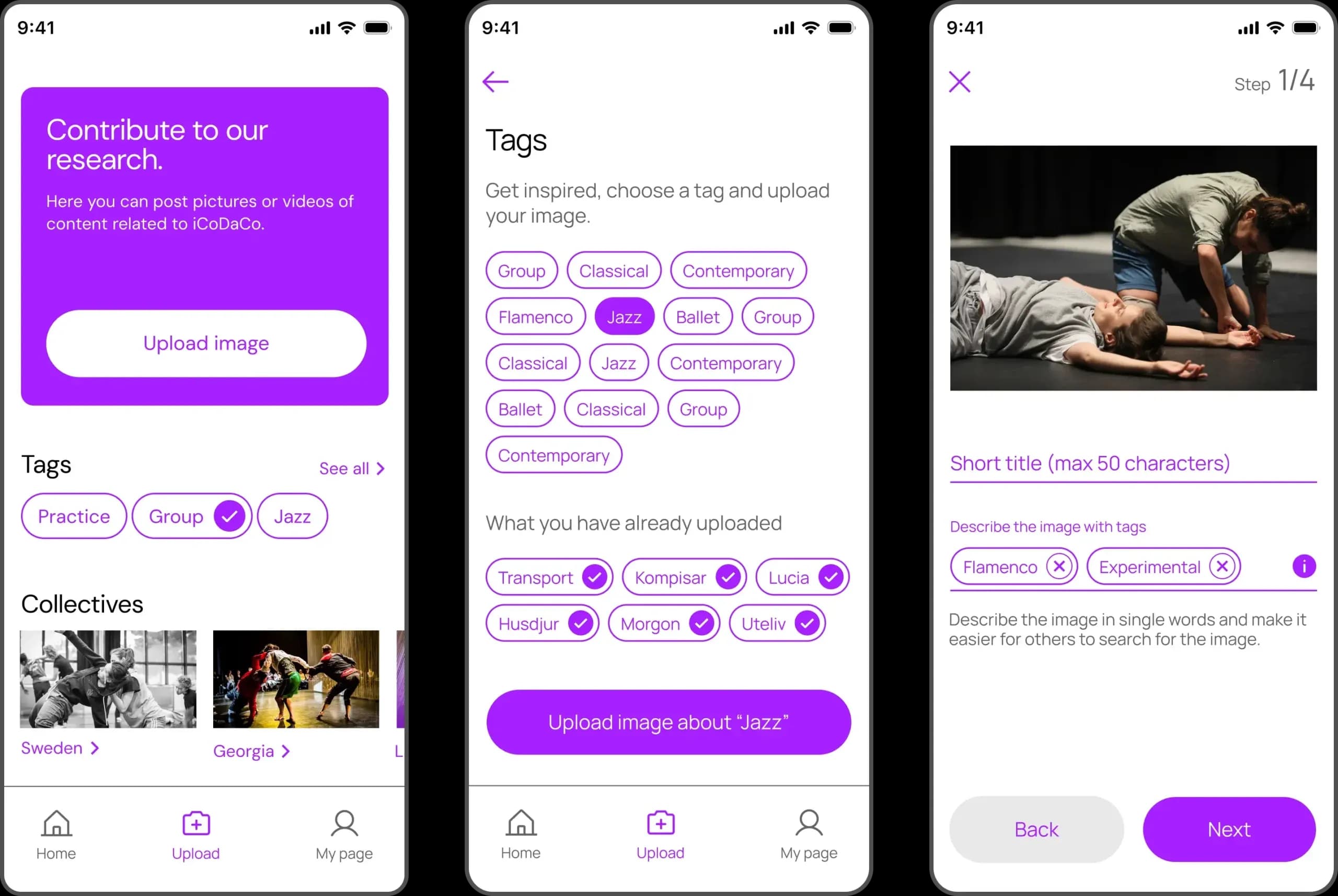
See how our clients use the platform to build digital archives, run collecting projects and publish stories on the web and in apps.
EU projectiCoDaCo is a European research and documentation project in dance that collects pictures, documents, sound recordings and films from around the world.
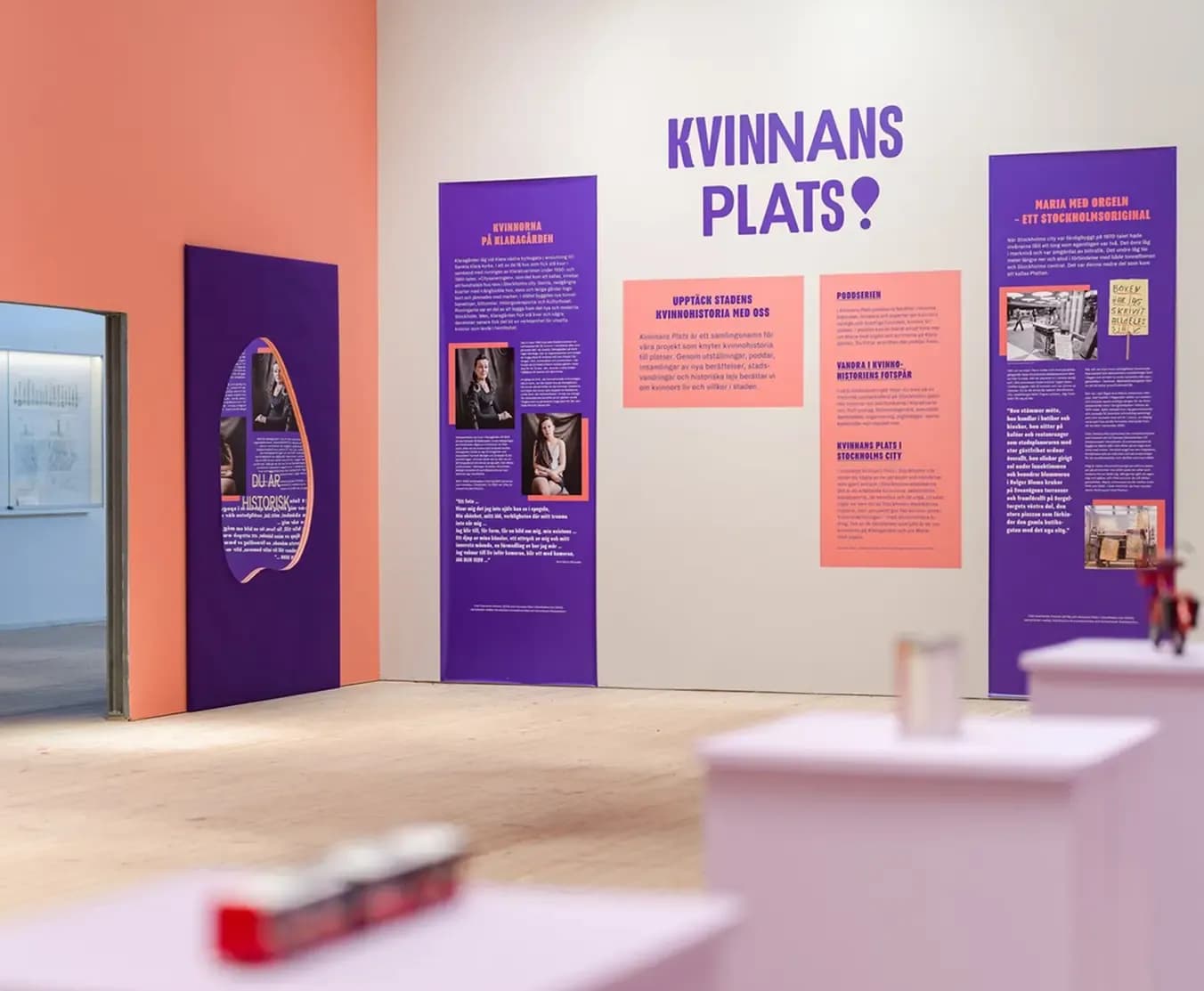 museum
Kvinnohistoriska is an innovative museum that documents, preserves and showcases women's lives and experiences – both today and throughout history.
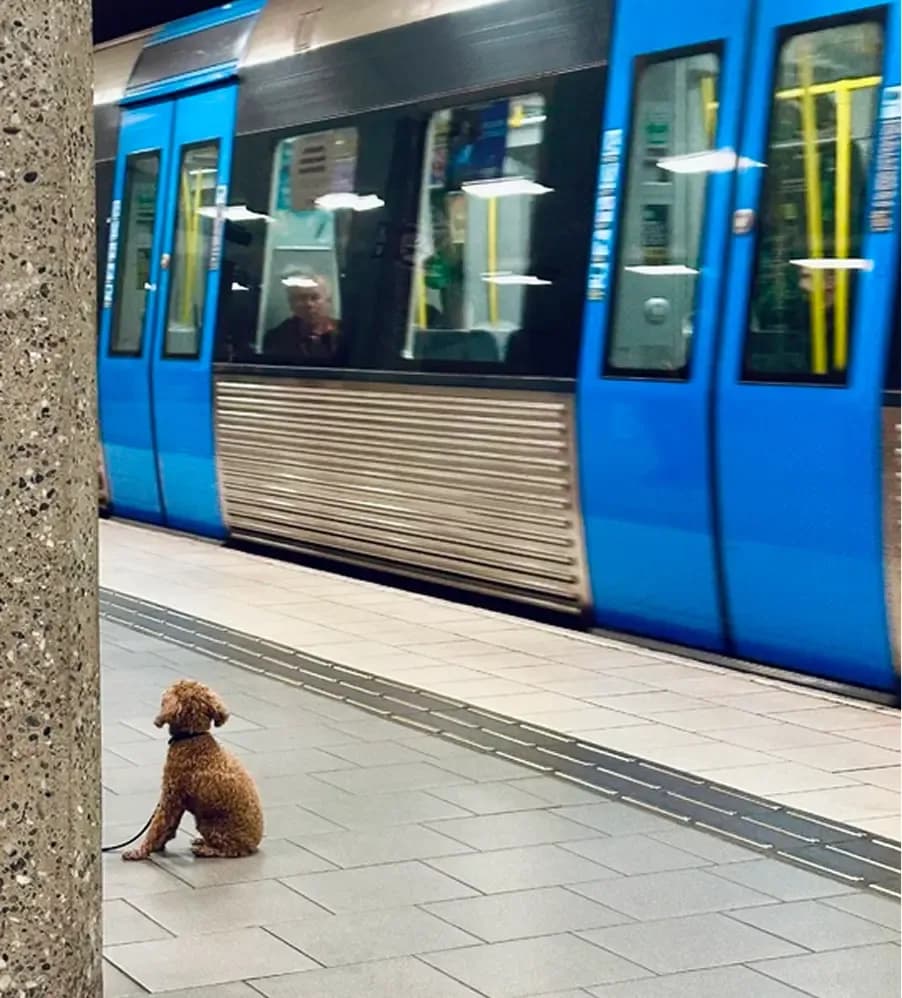 collecting project
Samtidsbild is Stockholm County Museum's digital platform for documenting the present through residents' own pictures and reflections.
Museum.link is a system for cultural heritage that combines publishing and long-term management in one coherent archive system. Content is stored securely and in a structured way in a heritage database that works both as an archive database and as a database for cultural heritage. Organisations can preserve material, publish it on the web and in apps, and make digital cultural heritage visible and accessible.
A system for cultural heritage makes it possible to work in a structured way with preserving, organising and publishing material.
This way organisations can preserve content while making cultural heritage visible to more audiences.
At the centre is a digital archive database where material is stored securely and in a structured way. The database makes it possible to organise, describe and preserve cultural heritage over time, while the same structure can be used for digital publishing. This means you can use the same data for internal management and for presentation on the web and in apps.
With a heritage database, organisations can build and show digital collections. Collections can contain photographs, documents, stories and other kinds of archive material that make cultural heritage searchable and available online.
Digital collections make it possible to gather, organise and showcase cultural heritage in one and the same system.
The material can be presented on the web and in apps, reaching researchers, institutions and the public. In this way digital collections help make cultural heritage more visible and useful over time.
Do you want to digitise your archive?
With a modern archive system, organisations can both preserve material securely and make it available digitally. Combining a system for cultural heritage, an archive database and a heritage database makes it possible to store, structure and publish content without needing several different systems.
This makes it possible to work efficiently with both preserving and showcasing cultural heritage.
Museum.link is used by organisations that need an archive database to collect, organise and publish digital material. The system is developed for organisations working with cultural heritage, research and documentation that need a stable structure for digital collections.
What these organisations have in common is the need to store material securely, organise information in a structured way and make digital collections available online.
An archive database makes it possible to work long term with cultural heritage, while the content can be used in research, public programmes and digital exhibitions.
More and more museums, municipalities, research projects and organisations are working with digital preparedness, digital resilience and long-term data management. Future-proofing your archive data means making sure digital material is stored securely, structured correctly and usable for a long time.
An archive database makes it possible to create a stable digital infrastructure where material can be preserved, organised and made available without information being lost when technology, projects or organisations change.
Want to know more about how archive data can be stored securely for the long term?
Organisations planning to work with an archive database or digital collections often have questions about how the system works in practice. Common questions include:
We have gathered answers to the most common questions about archive databases, digital collections and digital preservation in our FAQ.